The Impact of Artificial Intelligence (AI) on Bangladesh's Business Sector
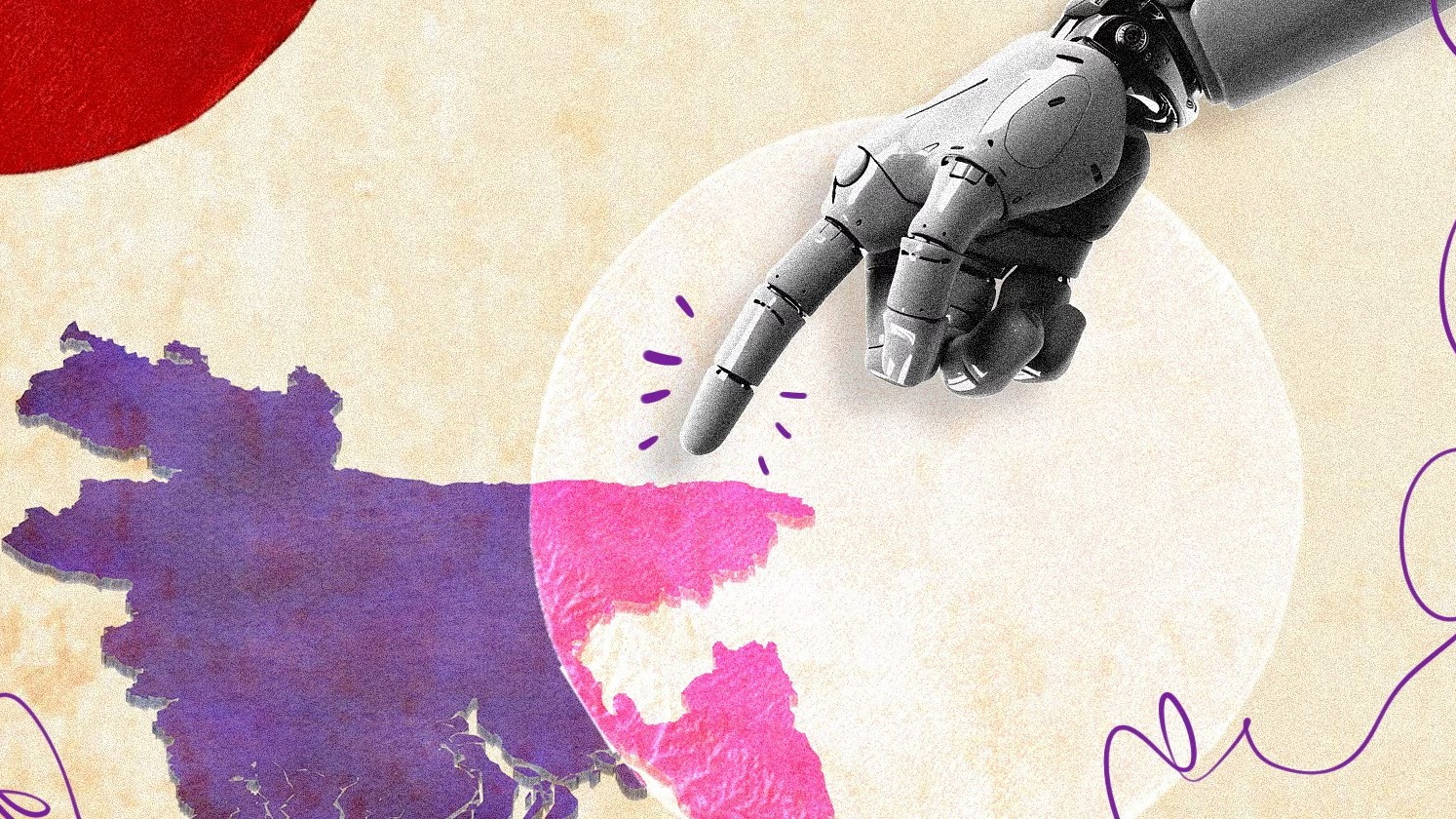
Artificial Intelligence (AI) is revolutionizing the global economy, changing the way businesses operate, innovate, and serve their customers. While developed countries have already integrated AI across industries, developing nations like Bangladesh are now stepping into the transformative power of AI. As Bangladesh seeks to become a digital economy, the integration of AI into its business sector presents both vast opportunities and critical challenges.
In this article, we’ll explore how AI is shaping business worldwide, its relevance to the Bangladeshi market, and how local businesses can harness its power to boost efficiency, innovation, and growth.
Global Trends: How AI is Shaping Business Worldwide
Smarter Products and Services
Across industries, AI is enhancing products with intelligence. From smart home devices powered by the Internet of Things (IoT) to AI-powered recommendation systems used by Netflix and Amazon, businesses are delivering more personalized and adaptive user experiences.
Hyper-Personalized Customer Service
AI-driven chatbots and CRMs enable businesses to offer 24/7 customer support. Companies in finance and retail use AI to predict user needs, resulting in better customer retention and higher conversion rates.
Business Process Automation
AI helps automate repetitive and complex tasks in HR, accounting, supply chain, and logistics. Companies reduce costs, increase speed, and minimize human error. For instance, DHL uses AI for predictive logistics, improving delivery timelines and customer satisfaction.
Smart Pricing Strategies
AI analyzes competitor pricing, market trends, and customer behavior to dynamically adjust product pricing. Giants like Amazon, Walmart, and Uber have mastered dynamic pricing using AI, maximizing profits and consumer value.
Industry-Specific Innovations
- Healthcare: AI improves diagnosis accuracy, predicts outbreaks, and streamlines administrative processes.
- Mining & Energy: AI ensures safety, predicts equipment failures, and identifies new resource zones.
- Agriculture: From detecting crop diseases via drone images to recommending fertilizer doses, AI is enhancing yields and resource usage.
- Finance & Insurance: AI prevents fraud, automates underwriting, and predicts credit risk.
AI in Bangladesh: A Rising Opportunity
Why Bangladesh Needs AI Now
Bangladesh, with its growing population, rising internet penetration, and emerging digital infrastructure, stands at the cusp of technological transformation. Yet, inefficiencies in manual labor, resource constraints, and limited automation hold many industries back. AI could be the catalyst for Bangladesh's next industrial leap.
Key Opportunities for Bangladesh’s Business Sector
Boosting Operational Efficiency
AI-powered automation can optimize everything from inventory management to customer interactions. For example, Bangladeshi eCommerce platforms can use AI to predict demand, reduce stockouts, and recommend products in real time.
Enhancing Decision-Making
With AI, businesses can process vast data sets to make data-driven decisions. Whether it’s forecasting market trends or understanding customer sentiment through Natural Language Processing (NLP), AI can eliminate guesswork.
Reducing Costs
By automating manual and repetitive tasks, businesses can save on labor costs. AI can also improve supply chain efficiency and prevent machinery downtime through predictive maintenance.
Improving Healthcare Access
AI can empower rural clinics with diagnostic tools, virtual consultations, and even medicine delivery using drones—revolutionizing the healthcare system for underserved populations.
Transforming Retail Experiences
Physical retail stores in Bangladesh can deploy AI and VR to offer personalized in-store recommendations and virtual try-ons—bridging the gap between traditional and digital shopping.
AI in Agriculture
AI can help farmers detect pests early, recommend fertilization, and monitor crop health. This could drastically increase productivity and reduce agricultural waste.
AI in Finance & Insurance
Banks and fintech startups in Bangladesh can use AI to assess creditworthiness, detect fraud, and offer hyper-personalized financial products to customers.
Optimizing the Supply Chain
Garments and manufacturing industries, pillars of Bangladesh’s economy, can use AI to manage inventory, reduce lead times, and predict disruptions, ensuring timely and cost-effective production cycles.
Challenges Bangladesh Must Overcome
Despite the immense potential, Bangladesh faces significant barriers:
- Lack of skilled professionals in AI & data science
- Limited infrastructure for big data processing
- Low investment in AI research and development
- Regulatory and data privacy concerns
To overcome these, a strong collaboration between the government, private sector, and academic institutions is vital. Policies that promote AI innovation, ensure ethical use, and offer AI education can unlock long-term benefits.
The Road Ahead: Future Outlook
Bangladesh has already taken steps in the right direction. The government’s “Digital Bangladesh” vision includes investments in ICT infrastructure and skills development. With the right strategy, AI could contribute significantly to GDP growth, job creation, and social development.
Some key initiatives to fast-track AI adoption:
- AI-driven business incubators
- Startup funding for AI innovation
- AI curriculum in schools and universities
- Cross-industry AI use case sharing and collaboration
Final Thoughts
Artificial Intelligence is not a futuristic concept anymore- it is a present-day business necessity. For Bangladesh, embracing AI isn’t just about staying competitive’s about ensuring inclusive economic growth, reducing inefficiencies, and positioning the country as a technology-forward nation.
As the rest of the world embraces the Fourth Industrial Revolution, Bangladesh must ride the wave, not watch it pass by. The impact of AI on the country's business sector is just beginning, and its full potential is yet to be unlocked.